
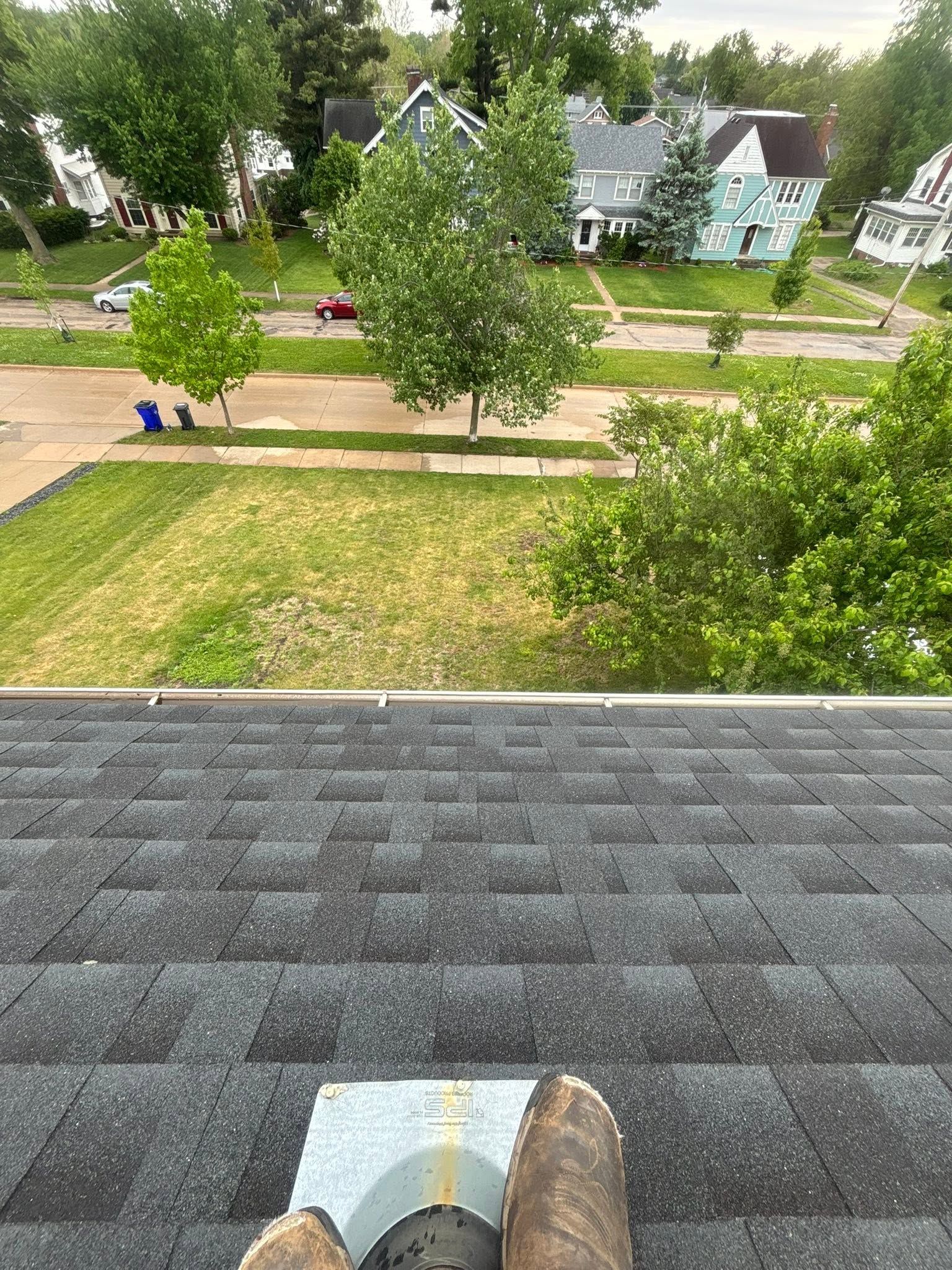
Repairs That Stop Leaks Before Interior Damage
Roofing Services in Cedar Rapids for homes and businesses with leaks, damaged shingles, and storm-related concerns
A roof leak rarely announces itself until water has already saturated insulation and drywall, creating stains that indicate damage occurring for weeks or months before detection. By the time you notice discoloration on a ceiling, the roofing failure has typically progressed beyond a simple shingle replacement. B-Eazie Repair & Handywork addresses roofing repairs and maintenance across Cedar Rapids, Dubuque, Davenport, and surrounding areas for residential and commercial properties where leaks, wind damage, or aging materials compromise the building envelope. Prompt repair after storm events prevents secondary damage that multiplies repair costs when water enters wall cavities and ceiling structures.
Roofing service includes inspecting flashing around chimneys and vents where sealant failure creates entry points, replacing cracked or missing shingles that expose underlayment to weather, and identifying areas where wind has lifted shingle edges and broken the seal that keeps water out. Iowa experiences wind events throughout the year that test roofing integrity, particularly during spring storms and winter temperature fluctuations that make shingles brittle.
Schedule a roofing inspection to identify vulnerable areas before leaks develop into structural issues.
What Changes After Roof Repairs Are Complete
Roof repair work focuses on restoring the waterproof barrier by replacing damaged shingles with materials that match existing color and texture, resealing flashing joints with roofing cement, and securing lifted shingle tabs that would otherwise allow wind-driven rain to penetrate underlayment. Each repair addresses a specific failure point rather than treating the entire roof as a replacement candidate, extending the system's functional life when overall condition remains sound.
Once repairs are finished, you notice that ceiling stains stop expanding, attic insulation stays dry during rain events, and ice dams form less frequently along eaves because heat is no longer escaping through gaps in the roofing system. The building interior remains protected from moisture infiltration that would otherwise lead to mold growth and structural decay in framing members.
Routine inspections identify problems early, before small failures cascade into larger system damage. Missing shingles detected during an inspection can be replaced in minutes, while the same damage left unaddressed through a winter season allows water to rot roof decking that then requires structural carpentry in addition to shingle work.
Answers to Frequent Roofing Questions
Property owners throughout Cedar Rapids and neighboring communities face similar decisions about when to repair existing roofing systems versus planning for eventual replacement.
What causes shingles to fail prematurely?
Wind uplift during storms breaks the adhesive bond between shingle layers, while repeated freeze-thaw cycles crack shingles that have become brittle from prolonged UV exposure, and both failure modes allow water penetration that accelerates damage to underlying materials.
How do I know if a leak requires immediate attention?
Water stains on ceilings, damp spots in attic insulation, or dripping during rain events indicate that the roofing system has already failed and moisture is entering the building structure where it compromises both materials and indoor air quality.
When should I schedule a roof inspection?
Annual inspections conducted in late spring identify winter damage before summer storms arrive, giving property owners time to complete repairs during favorable weather rather than responding to emergency leaks during active rain events.
What is flashing and why does it fail?
Flashing consists of metal strips installed at roof penetrations and transitions to direct water away from vulnerable joints, and it fails when sealant deteriorates from UV exposure or when thermal expansion cracks the metal at bend points, creating gaps where water enters.
How does Iowa weather specifically affect roofing materials?
Temperature swings from winter cold to summer heat cause expansion and contraction that stresses shingle adhesives and fasteners, while wind events common throughout spring and fall test the mechanical attachment of each shingle to the roof deck.
B-Eazie Repair & Handywork provides roofing inspections and repair estimates for property owners in Cedar Rapids who need to address existing damage or prevent future failures. Call (319) 238-1905 to arrange an assessment that identifies current roof condition and prioritizes necessary repairs.